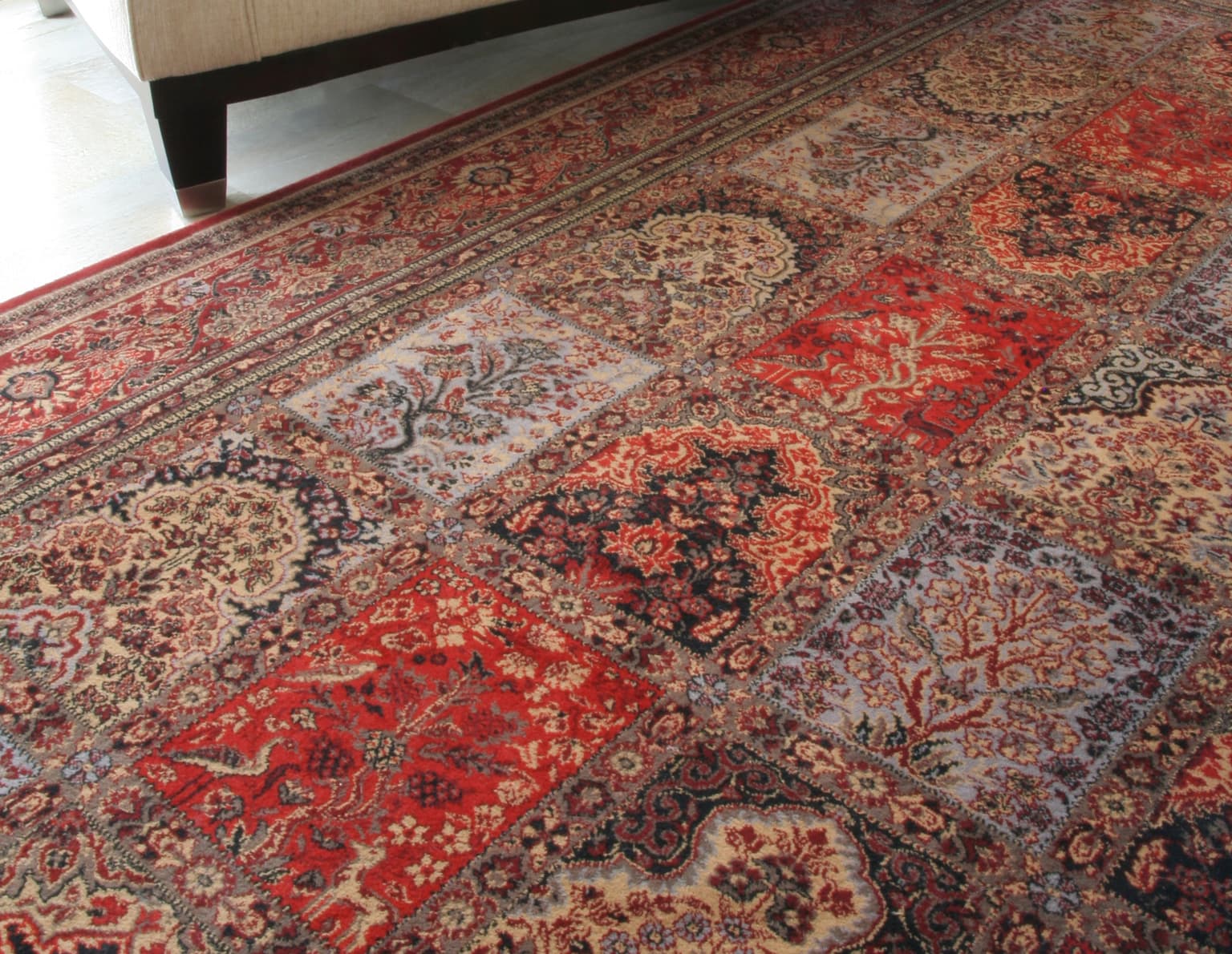
An area rug takes a different sort of punishment than wall-to-wall carpet. It defines a room, so it sits where people gather and catches whatever lands there. The rug under the coffee table absorbs spilled drinks and dropped snacks. The one inside the front door swallows every bit of grit your shoes drag in from the driveway. The runner down the hall develops a darker stripe straight up the center. Because a rug isn't tacked down, soil sifts all the way through it and settles into the foundation where a vacuum head never reaches. Our La Vergne crew cleans area rugs with the same carbonated, low-moisture method we use on carpet, sized and adjusted to treat each rug for what it really is.
We've operated as a Safe-Dry® brand for over 30 years, and we clean rugs in homes across La Vergne and Rutherford County. No soap, no detergent, no fragrance. That counts for more on a rug than people expect, since rugs end up in the rooms where families gather and pets sprawl out for the afternoon.
Our area rug process
We identify the rug before anything else. Rugs are not built alike. A machine-woven synthetic from a chain store cleans nothing like a wool flatweave or a hand-knotted piece. A technician studies the fiber, the construction, the backing, and the dyes before choosing a path. Wool, cotton, silk, viscose, and synthetics each ask for their own handling, and treating them all the same is how rugs get wrecked.
We test the dyes. Older rugs and hand-made ones can bleed when the color isn't fully set. We run a colorfastness check on a hidden corner before any solution reaches the main field of the rug. That one step heads off the most common way rugs are ruined during a cleaning.
We pull the dry soil out. A big share of what makes a rug look worn is dry grit buried down in the pile. We loosen and remove that before adding any moisture. Skip it and you turn the dirt to mud the instant cleaning starts, so we never hurry past it.
Then the carbonated clean. Our carbonated solution drives millions of tiny bubbles down into the fibers to float soil to the surface, where we extract it. We use a fraction of the water a soak-and-extract setup needs. On a rug, that low-moisture approach is a genuine advantage, since a rug saturated with water can sit damp for days and may shrink, ripple, or grow mildew before it dries.
We hit spots and odors directly. Pet accidents, food marks, and ground-in stains each get worked on their own with our hypoallergenic spot treatment. Where a smell has settled into the rug, we use a deodorizer that breaks it apart instead of covering it with scent.
We groom and dry it. We brush the pile back into its natural direction and let the rug dry. Thanks to the low moisture, that happens fast, and the rug returns to its spot refreshed rather than waterlogged.
For most rugs we clean right in your home, so you're not hauling it off and waiting a week to get it back. Larger or more delicate rugs sometimes call for a different setup, and we'll tell you plainly which path fits yours.
Why a rug needs separate attention
People vacuum the top of a rug and figure it's clean. The real trouble hides underneath. Grit drops through the pile and grinds at the base of the fibers from below, so the rug wears out from the inside while the surface still looks presentable. By the time the damage reaches the top, the fiber is already cut.
There's an air-quality side to it. A rug holds dust, pollen, and dander the same way carpet does, and once it's loaded, foot traffic shakes those particles back into the room. Households working through Middle Tennessee's spring allergy run tend to notice the air feels different after a thorough cleaning.
Living this close to J. Percy Priest Lake is the reason our low-moisture method is the right call. La Vergne summers stay muggy from late May into September, and a rug drenched in a deep-soak process holds that dampness far too long in lakeside air. Damp wool or cotton starts to smell, and mildew can settle into the foundation. Because we barely wet the rug, that whole chain of problems never gets started.
What you can expect from us
Cleaning matched to the rug. We don't run a wool heirloom through the same routine as a synthetic den rug. The method follows the fiber in front of us.
No soap, no residue. Soap-free cleaning leaves nothing sticky behind to attract the next round of dirt, so the rug stays clean longer.
Fast drying. Low moisture means the rug dries quickly and usually goes back into service the same day.
A guarantee that holds up. Every job is backed by our 100% satisfaction promise, and we're BBB accredited. If a rug isn't right when we finish, we fix it. Pet jobs carry a 14-day guarantee.
Our technicians are certified and insured, and they're in La Vergne and Rutherford County homes constantly, so the rugs and soils around the lake are well known to them.
Rugs we see around La Vergne
We run into plenty of synthetic area rugs in the newer neighborhoods like Carothers Crossing and Heritage Valley, where building has filled in fast over the last several years. Out toward Lake Forest Estates and the older streets near the water, we see more wool and the occasional hand-knotted piece handed down through a family. Whatever yours happens to be, we handle it.
A lot of customers pair rug cleaning with a carpet cleaning for the rest of the house, or have us treat the upholstery sitting on the rug while we're already there. If your rug is an antique or finely woven, look at our oriental rug cleaning service, which is built for those. Ask about the 3 Rooms $88 offer when you schedule, and check the coupons page.
Frequently asked questions
Can you clean my rug right at the house? Most of the time, yes. Our low-moisture method works well in the home, so you don't have to roll the rug up and lose it for a week. Some delicate or oversized rugs need a different setup, and we'll let you know if yours is one of them.
Is the cleaning safe for wool and other natural fibers? It is. Our soap-free, low-moisture process is gentle on wool, cotton, and other naturals. We test for colorfastness first and shape the method to the rug we're looking at.
How soon will the rug be dry? Usually a few hours, much faster than a deep-soak process that can leave a rug damp for days. The low water volume is what makes the difference.
Do pet stains and smells come out? Most do. We treat spots and odors directly with hypoallergenic products and break smells down at the source. If urine has worked deep into the rug, we'll talk through what's realistic before we start.
How often should an area rug be cleaned? A rug in a busy room does well with a professional cleaning once a year. With pets or kids, every six months keeps it in better shape. Vacuuming between cleanings helps a great deal.
Is pricing based on size? Price depends on the rug's size, fiber, and condition. A technician gives you a firm number before any work starts, with nothing added afterward.
Book your cleaning
Call 615-930-0865 or request a quote online. We clean area rugs across La Vergne and the rest of our service area. Want a time on the calendar now? Use our online scheduler, and check the current coupons first, including the 3 Rooms $88 deal.