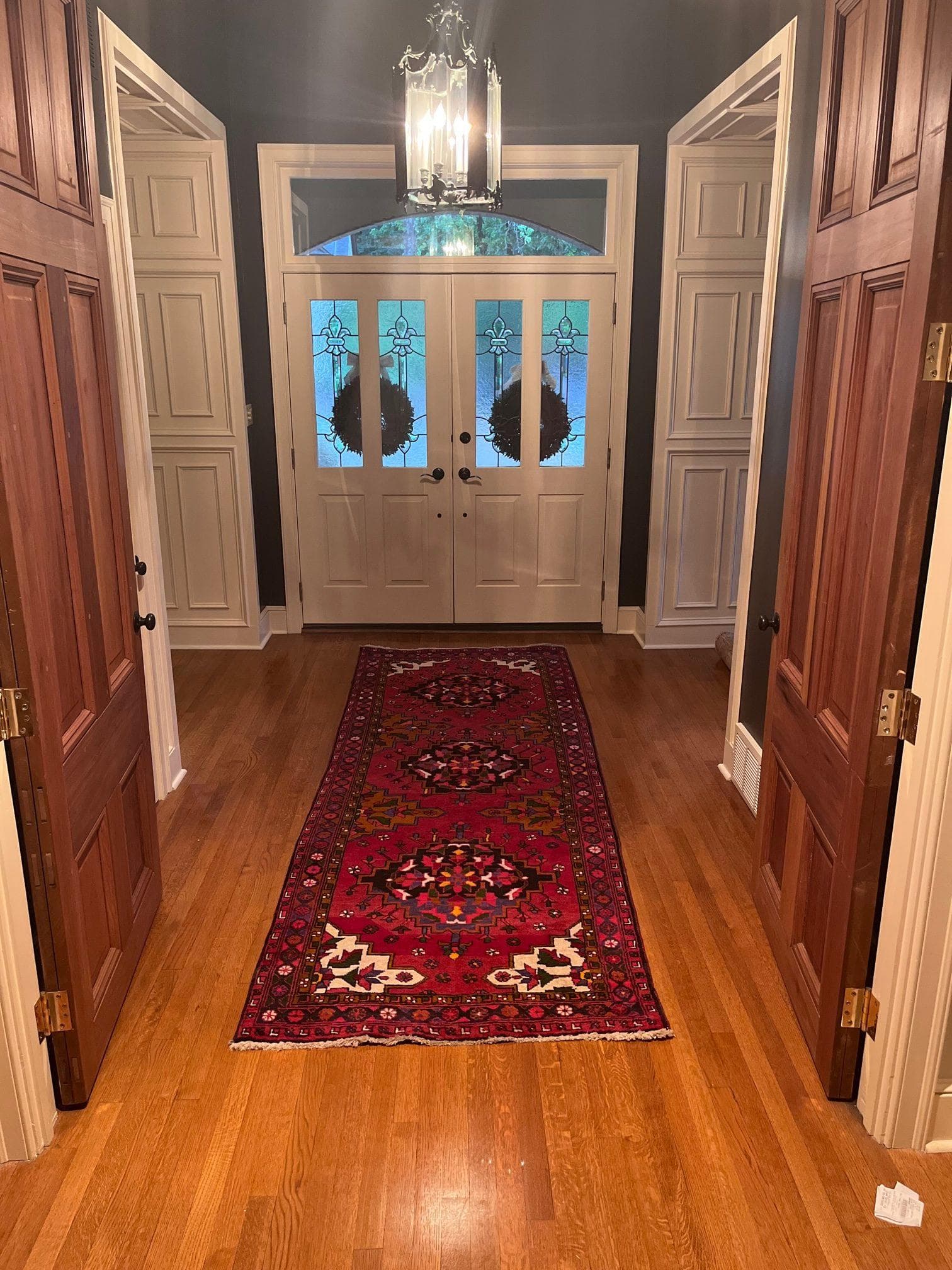
Area rugs are easy to overlook. They sit there looking fine, and because you do not see dirt building up the way you do on a kitchen floor, it is simple to forget they need cleaning at all. But a rug is doing the same job as wall-to-wall carpet, often in a high-traffic spot, and it collects just as much dirt. The question most people have is a fair one: how often does a rug actually need to be cleaned? The honest answer is that it depends, but there are clear guidelines that take the guesswork out of it.
The general rule
For a typical household rug in a room that sees regular use, professional cleaning every 12 to 18 months is a reasonable target. That keeps the rug from holding onto a year-plus of ground-in grit and keeps it looking the way it should. Think of it the same way you think about your carpet. It is maintenance, not an emergency.
That said, the one-size-fits-all number does not fit every rug. A few factors push that timeline shorter or longer, and it is worth knowing where your rug lands.
What changes the schedule
A handful of things determine how fast a rug gets dirty:
- Foot traffic. A rug in the entryway or a main hallway takes far more abuse than one under a guest-room bed. High-traffic rugs may need attention every 6 to 12 months.
- Pets. Dogs and cats bring in dirt, shed hair, and the occasional accident. Homes with pets almost always need more frequent rug cleaning, and odor is a big part of why.
- Kids. Spills, snacks, and play happen on the floor, and rugs catch all of it.
- Sun exposure and allergies. A household with allergy sufferers benefits from more frequent cleaning, since rugs trap dust and dander that get stirred up with every step.
- Color and material. Light-colored rugs show soil sooner. Delicate natural fibers like wool and silk need gentler, more careful handling than a synthetic rug.
If you have a busy house with pets and kids, the shorter end of the range is where you belong. A formal rug in a low-traffic sitting room can comfortably stretch toward the longer end.
Why oriental and wool rugs are different
This is the part that trips people up. An oriental or wool rug is not just a fancier version of a synthetic rug. It is a different material that calls for different care, and treating it like ordinary carpet is how good rugs get damaged.
Natural fibers react to water, heat, and harsh cleaners in ways synthetics do not. Too much water can cause the dyes to bleed and run into each other, ruining the pattern. Excess moisture trapped in a dense wool pile can rot the foundation of the rug from the inside, and in our humid Middle Tennessee climate that risk is real. Aggressive chemicals can strip the natural oils that give wool its sheen and strength. A genuine oriental rug can be a serious investment, sometimes a family heirloom, and a careless cleaning can take real value off of it.
That is why these rugs need a cleaner who understands the material. Our area rug cleaning service handles both everyday rugs and delicate orientals, matching the method to the fiber instead of running everything through the same wash. For natural-fiber rugs in particular, the gentle, low-moisture approach matters. It cleans the rug thoroughly without saturating it, so the dyes stay put and the foundation dries before moisture has a chance to do damage.
What you can do in between
Regular care at home stretches the time between professional cleanings and keeps your rug healthier overall.
- Vacuum regularly, but go easy on fringe. Vacuum the body of the rug to pull out the grit that grinds down fibers, and avoid running the beater bar over delicate fringe, which tears it.
- Rotate the rug a couple of times a year. This evens out both foot traffic and sun fading so one section does not wear out ahead of the rest.
- Blot spills right away. Press with a clean cloth, lift, and do not rub. Keep heat and harsh cleaners away from natural fibers entirely.
- Use a rug pad. It protects the underside, keeps the rug from sliding, and lets air move underneath, which helps in a damp climate.
These habits will not replace a real cleaning, but they meaningfully slow down how fast a rug gets dirty.
It also helps to shake out smaller rugs outdoors every so often. A lot of the dirt in a rug is loose grit sitting near the base of the fibers, and a good shake on the porch sends a fair amount of it flying before it ever has a chance to grind in. For larger rugs you cannot lift easily, flipping them over and vacuuming the back once in a while loosens trapped soil that then comes up the next time you vacuum the front.
When in doubt, ask
If you are not sure how often your particular rug needs cleaning, or whether it is a synthetic you can be casual with or a natural fiber that needs careful handling, just ask. It is an easy thing to figure out, and knowing what you have keeps you from accidentally damaging a rug that deserves better. A rug that is cleaned on a sensible schedule and cared for in between can last for decades and stay beautiful the whole time.
Have a rug that is overdue, or one you are not sure how to handle? Call Safe-Dry of La Vergne at 615-930-0865 or reach out through our contact page, and we will match the right care to your rug.